
Introduction
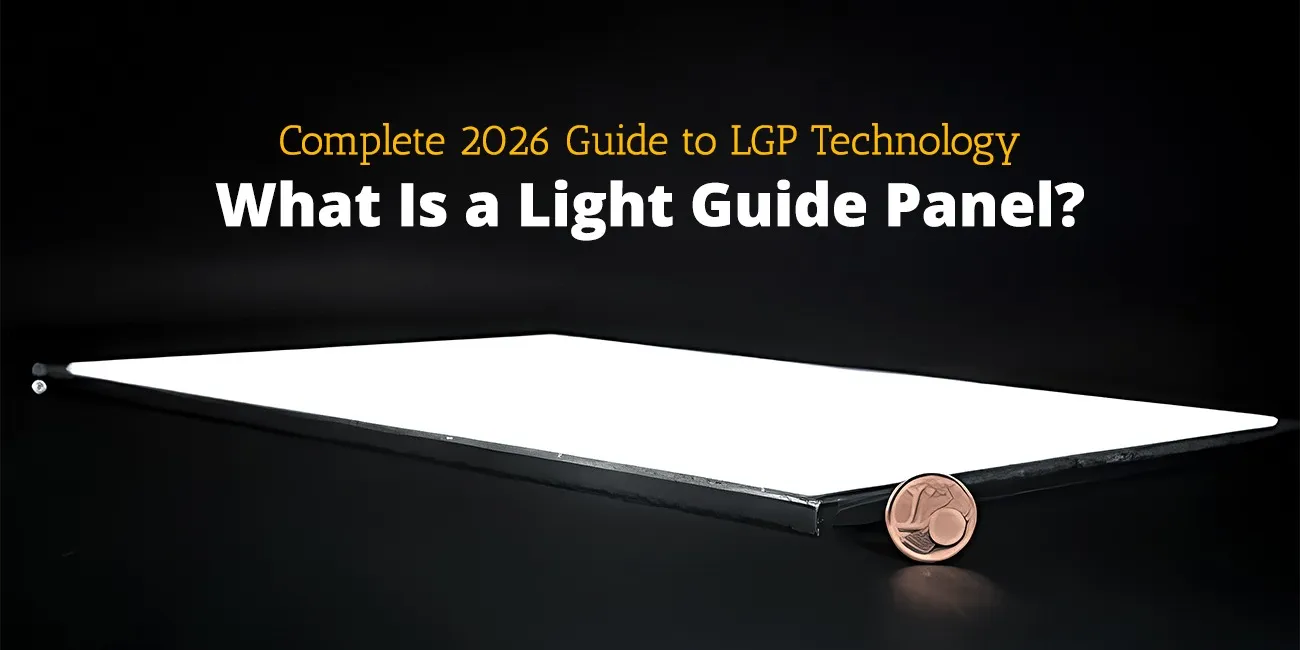
A light guide panel (LGP) is a transparent optical panel designed to distribute light evenly across its surface. Instead of emitting light directly, it guides light from edge-mounted sources and diffuses it uniformly, creating a smooth, shadow-free illumination.
This technology is widely used in modern lighting, displays, and architectural applications where thin design and consistent brightness are essential.
How a Light Guide Panel Works
Understanding how light guide panels work helps explain why they are so efficient and visually superior.
- Edge Light Input: Light enters the panel from one or more edges, typically from linear light sources.
- Internal Light Distribution: The panel uses total internal reflection to move light across the surface without escaping.
- Micro-Pattern Extraction: Tiny etched or printed patterns on the panel redirect light outward in a controlled way.
- Diffusion: A diffuser layer softens the output, ensuring uniform brightness across the entire panel.
The result is a clean, evenly illuminated surface with no visible hotspots.
Key Components of a Light Guide Panel System
A complete light guide panel setup includes several layers working together:
- Light Guide Plate (LGP core):
The main acrylic or polycarbonate sheet - Light source:
Positioned along the edges - Diffuser film:
Spreads light evenly - Reflector sheet:
Prevents light loss and improves efficiency - Optical films (optional):
Enhance brightness and direction
Each layer plays a critical role in achieving consistent illumination.
Why Light Guide Panels Are Effective
Light guide panels solve common lighting challenges:
Uniform Illumination
They eliminate hotspots and dark areas.
Thin Profile
Panels can be extremely slim, making them ideal for modern designs.
Energy Efficiency
Light is directed efficiently, reducing waste.
Design Flexibility
Panels can be customized in shape, size, and brightness.
Common Applications
Light guide panels are used across many industries:
- Retail displays and illuminated shelving
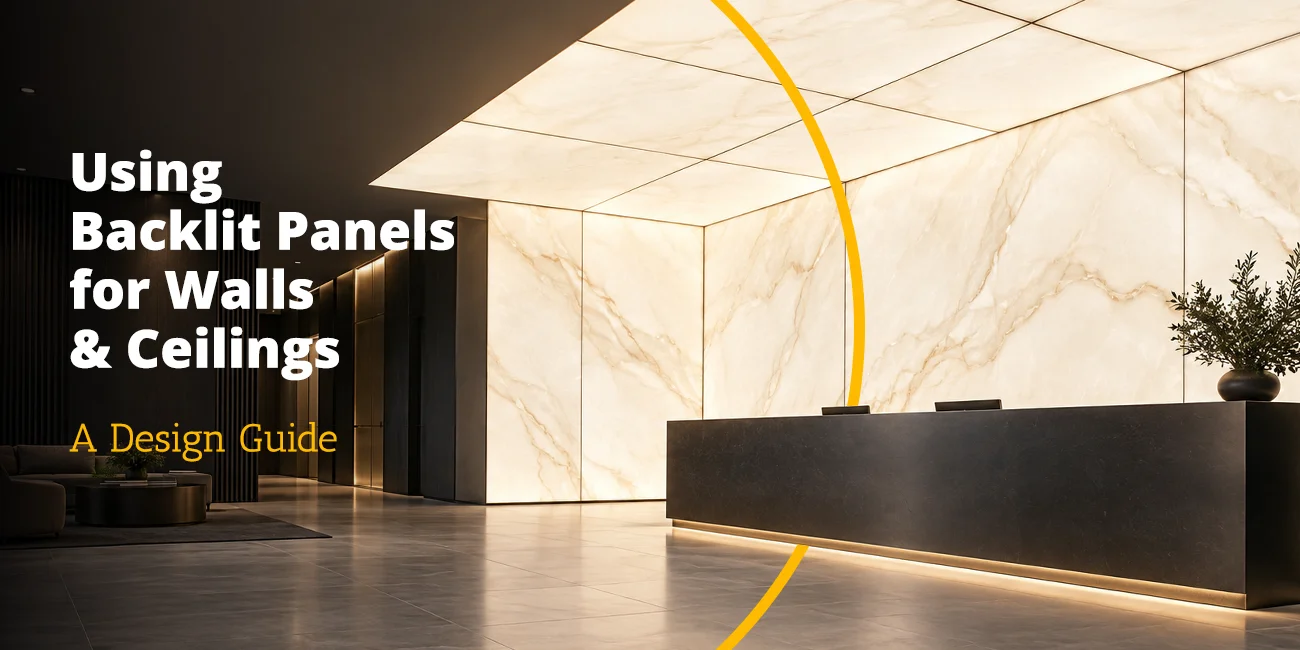
- Architectural walls and ceilings
- Healthcare lighting environments
- Office lighting systems
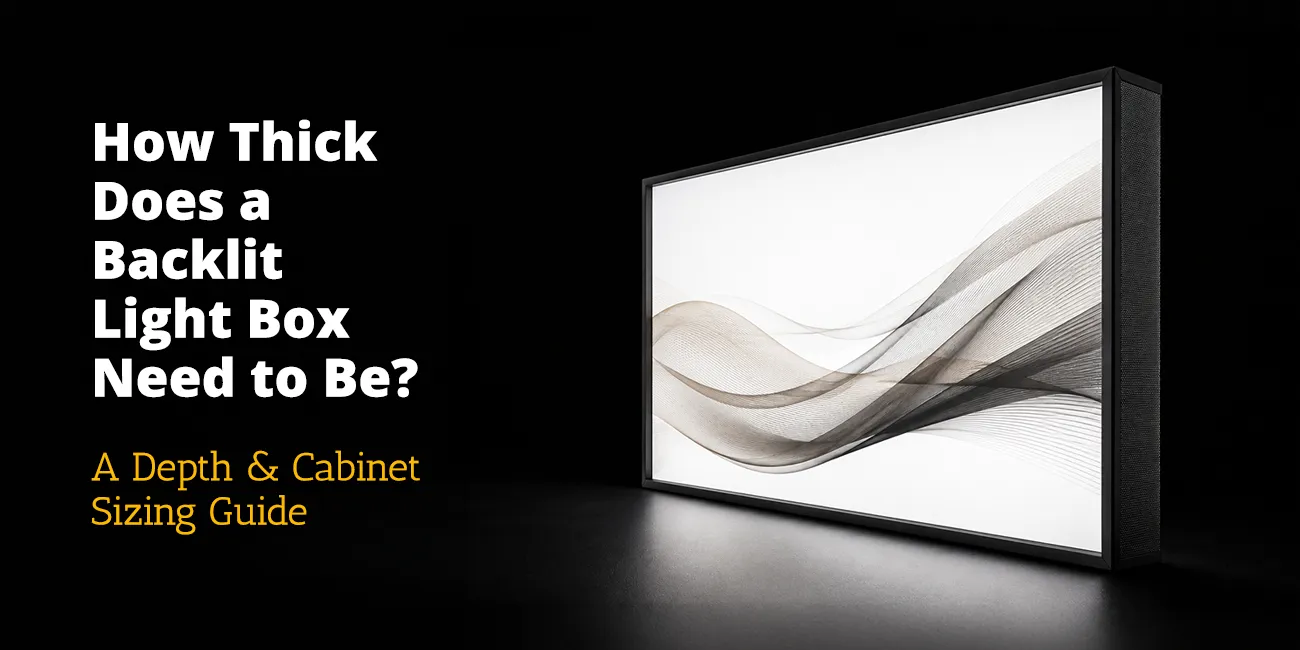
- Advertising and backlit signage
Their versatility makes them a preferred solution for both functional and decorative lighting.
Light Guide Panel vs Traditional Lighting
Light guide panels offer several advantages over traditional lighting systems:
- More uniform light distribution
- Slimmer and more compact design
- Greater efficiency
- Enhanced visual appeal
Traditional lighting often produces uneven illumination and requires more space.
Types of Light Guide Panels
Edge-Lit Panels
Light enters from the sides and spreads across the panel. This is the most common design.
Backlit Panels
Light sources are positioned behind the panel for higher brightness output.
Custom-Pattern Panels
Panels with specialized etching patterns designed for unique lighting effects.
Materials Used in Light Guide Panels
The performance of a light guide panel depends heavily on its materials:
- Acrylic (PMMA): High clarity and excellent light transmission
- Polycarbonate: Stronger and more impact-resistant
- Optical films: Used for diffusion and reflection
Material selection affects durability, brightness, and cost.
Key Design Considerations
When selecting or designing a light guide panel, consider:
- Panel thickness
- Overall size
- Brightness uniformity
- Light source configuration
- Intended application
Proper design ensures optimal performance and longevity.
Advantages of Light Guide Panels
- Uniform light output
- Ultra-thin construction
- Energy efficient
- Customizable design
- Long lifespan
- Low heat generation
Limitations to Consider
- Requires precise engineering
- Performance depends on pattern quality
- Higher upfront cost than basic lighting
- Customization may increase production time
2026 Trends in Light Guide Panel Technology
Recent advancements include:
- More precise laser-etched patterns
- Integration with smart lighting systems
- Improved sustainability in materials
- Larger seamless panel designs
These trends are expanding the use of light guide panels across industries.
Conclusion
A light guide panel is a highly engineered optical solution that delivers even, efficient illumination in a slim format.
By guiding light internally and distributing it evenly, it provides a level of performance and design flexibility that traditional lighting cannot match.
As demand for modern, efficient lighting grows, light guide panels continue to play a key role in both commercial and architectural applications.




Leave A Comment
You must be logged in to post a comment.